Why I Made Tavvi
I did not make Tavvi because I wanted to build an app.
I am not a professional app designer, and I am not connected to any tech companies. Tavvi was made for a much simpler reason — I needed it myself.
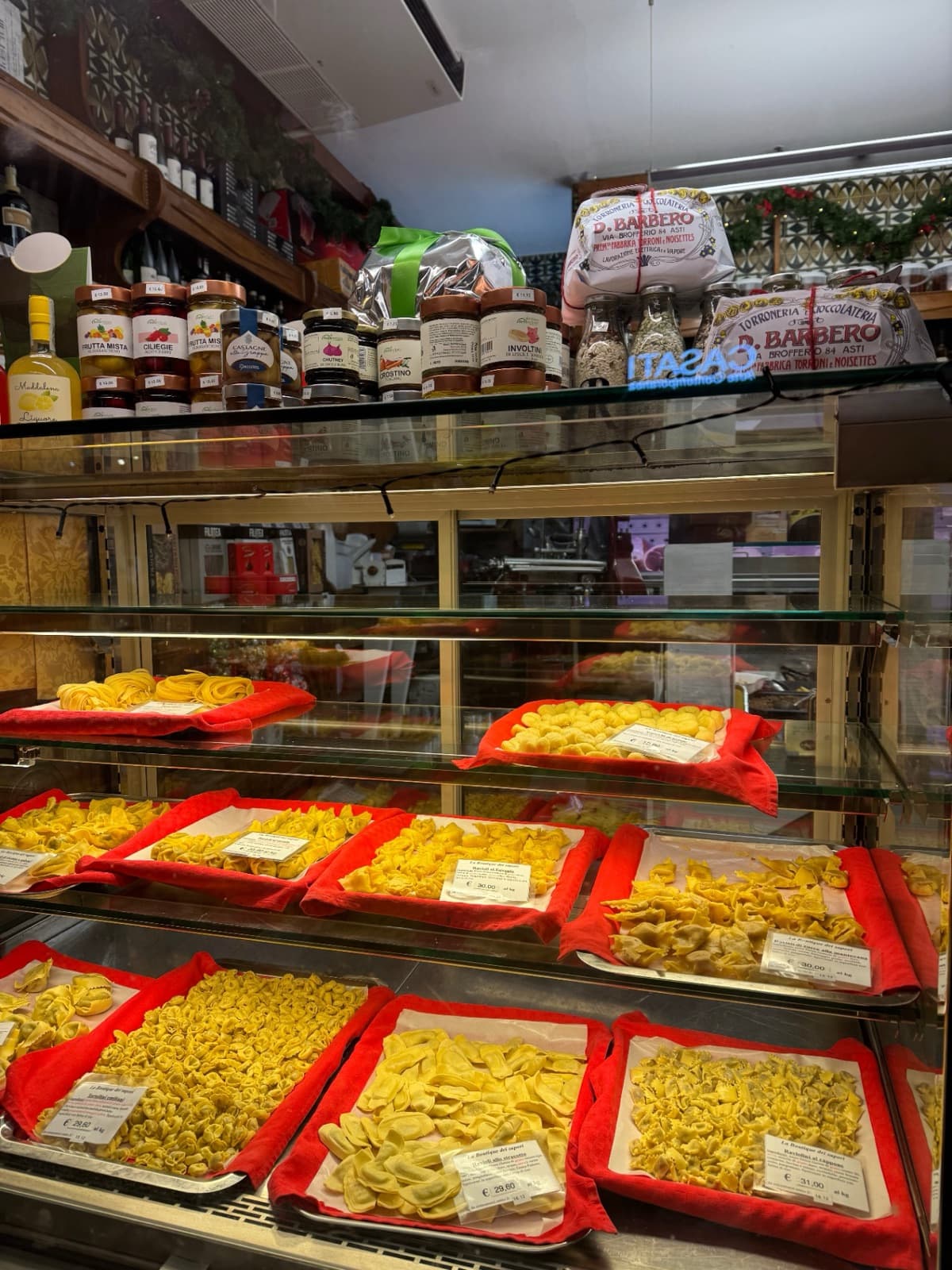
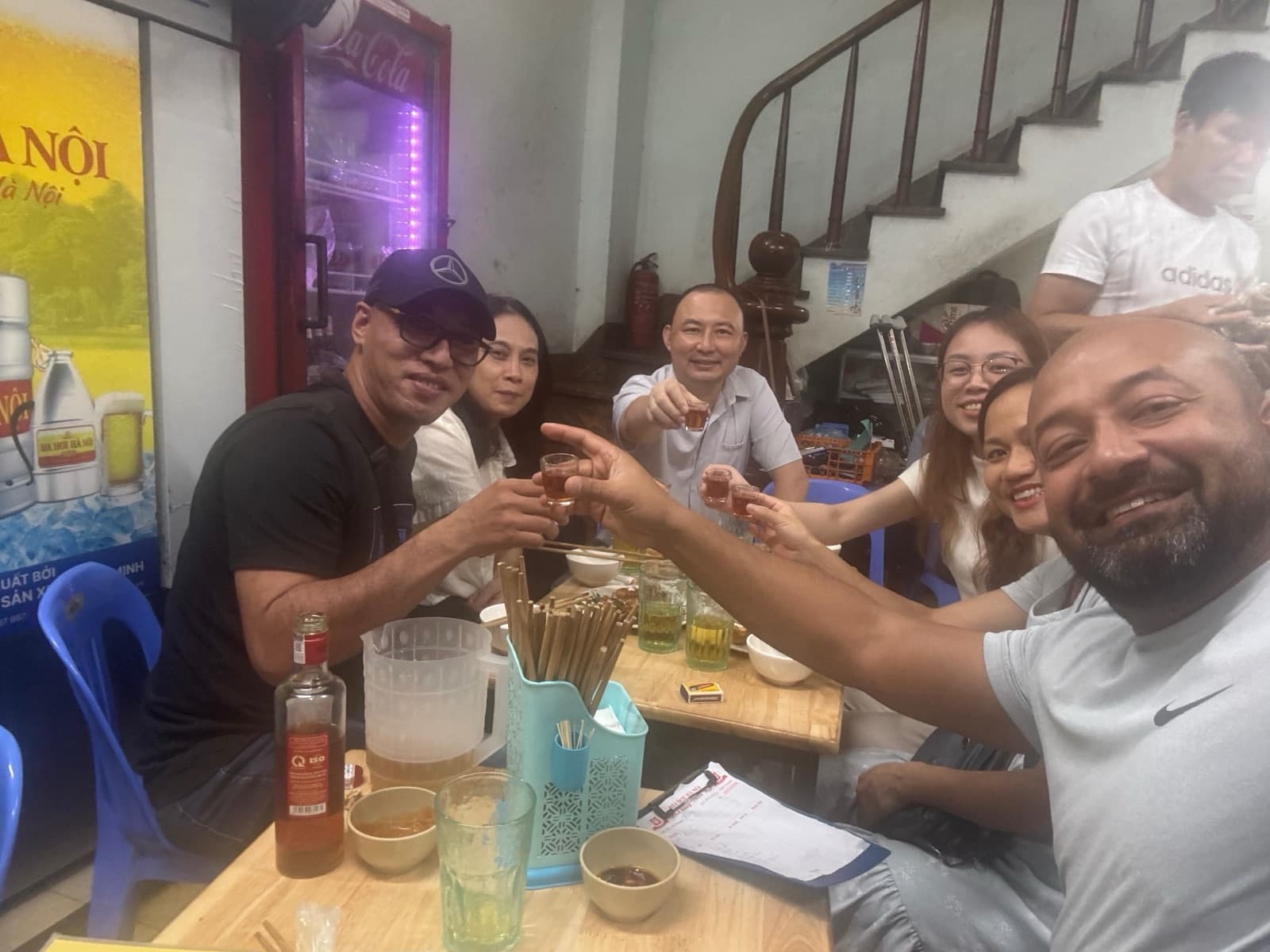
I travel a lot for work, and quite often that means travelling alone. When I arrive somewhere new, I like to walk. I like to explore cities on foot and let places reveal themselves slowly. Food and drink are especially important to me, because they are one of the truest reflections of any culture. I enjoy trying local dishes, ending up in small street places with locals, drinking things that probably did not pass many safety inspections — but feel completely authentic.

Recently, I was in Hanoi.
Like most travellers today, I leaned heavily on technology. I asked ChatGPT what there was to do in Hanoi, what food I should eat, what drinks I should try. I planned walking routes and constantly checked Google Maps. I even took photos of unfamiliar food and asked how I was supposed to eat it.
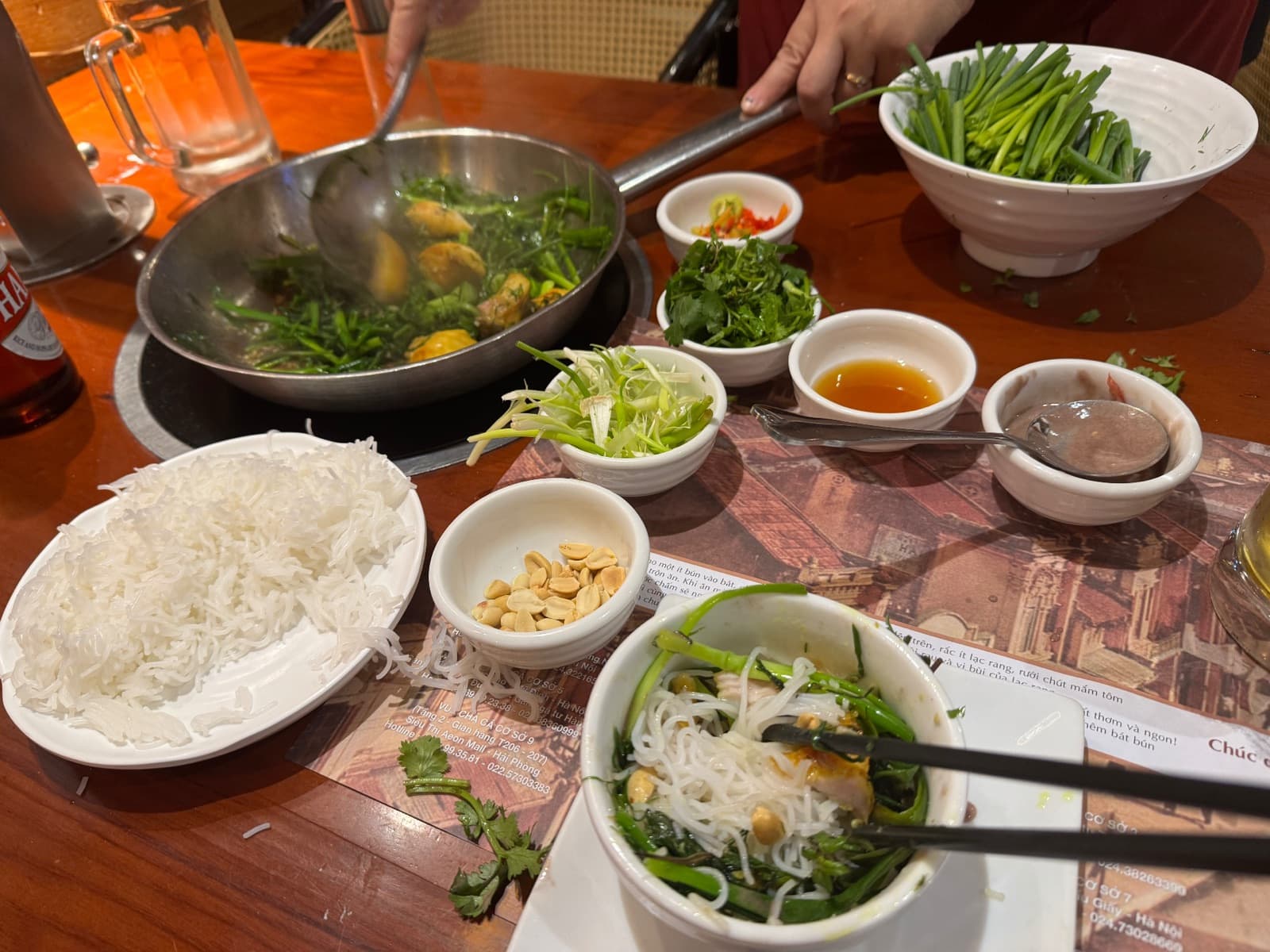
ChatGPT, Gemini, and Google Maps were essential. They made the trip easy and genuinely enjoyable.
But something felt wrong.
I kept walking past important buildings, monuments, palaces — and I had no idea what they were. As someone who loves history, this was frustrating. I would stop, take a photo, search for it, read a little, then carry on. It worked, but it was tedious. I was spending more time looking down at my phone than actually looking at the city around me.
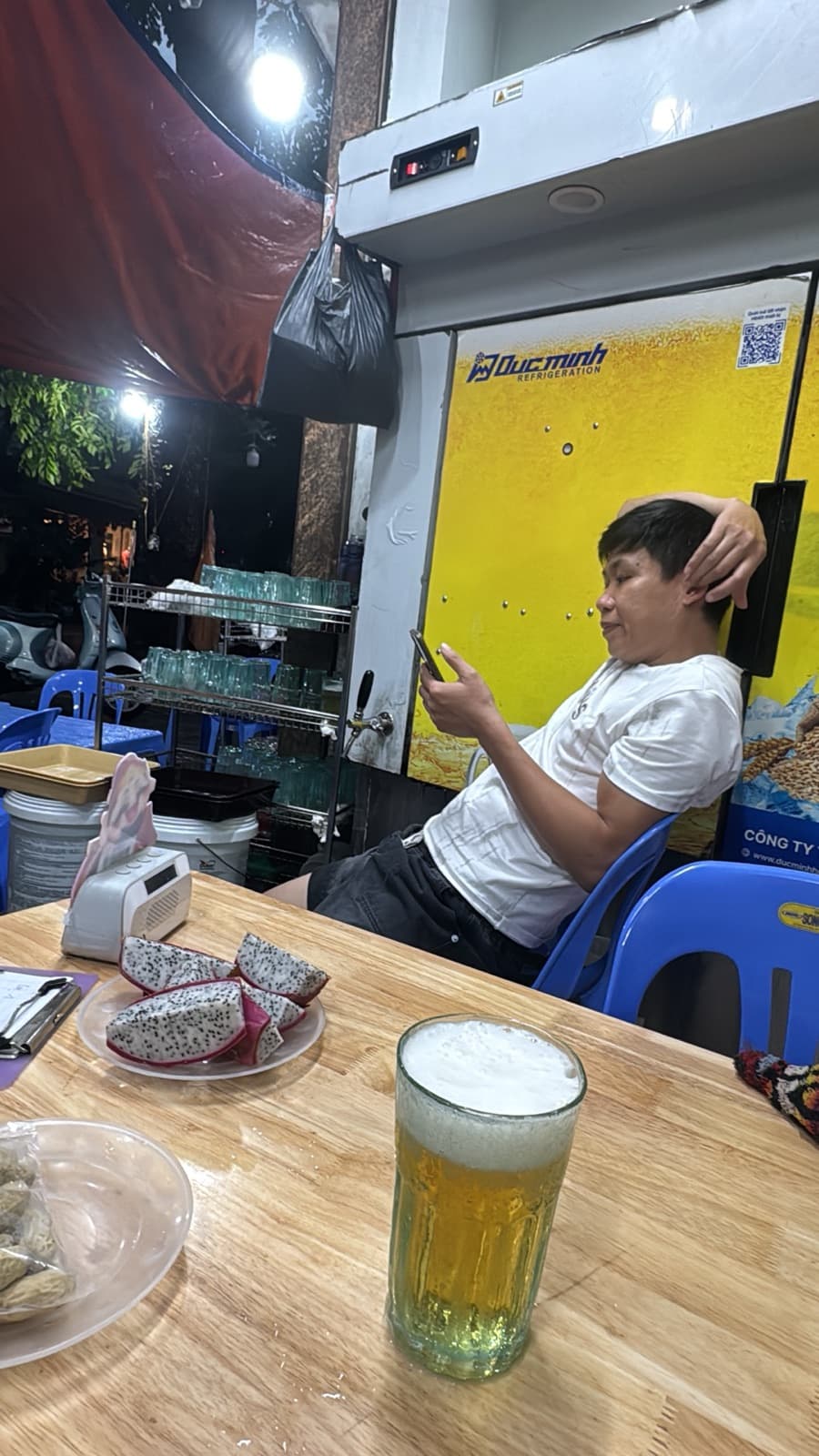
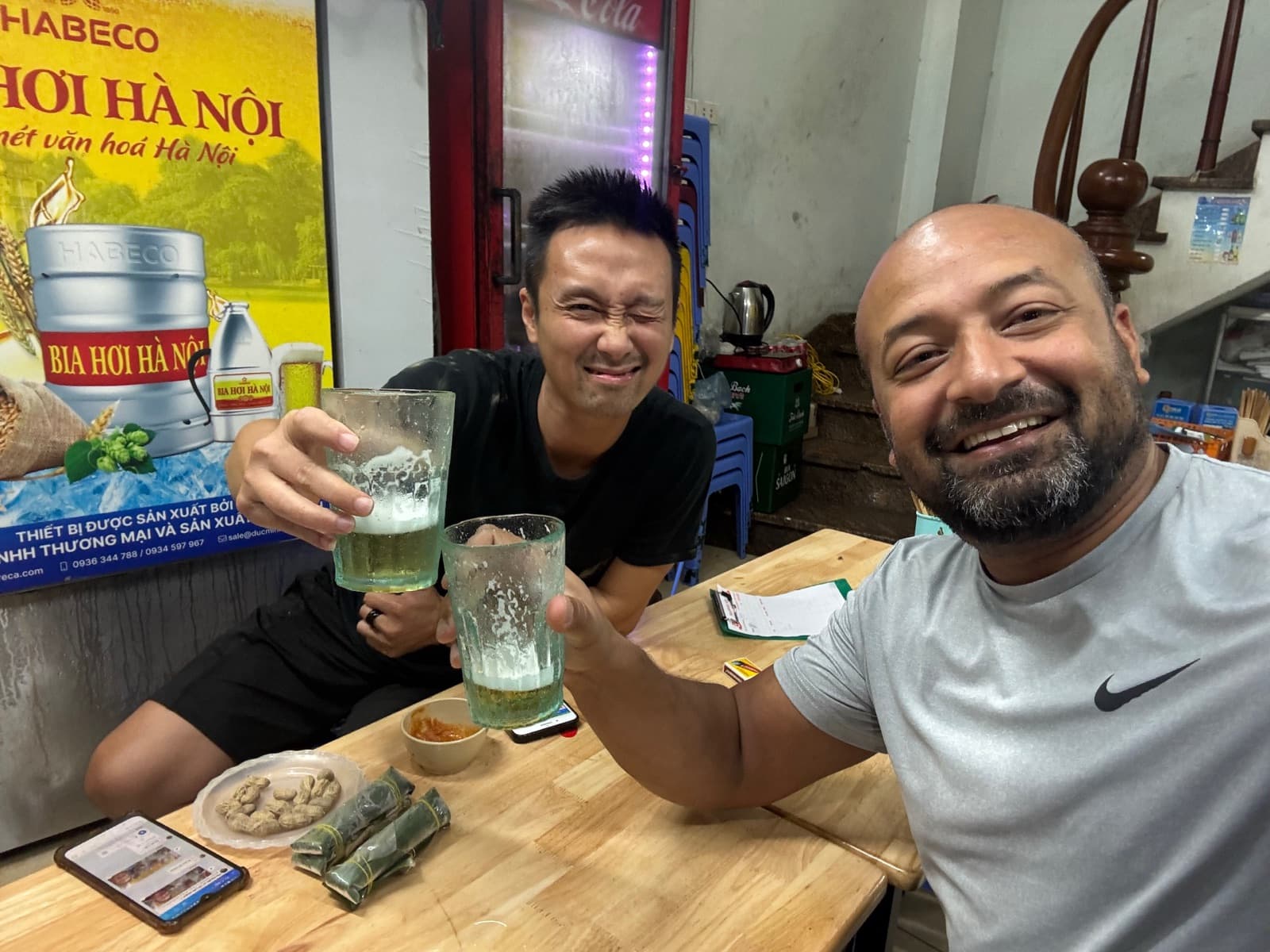
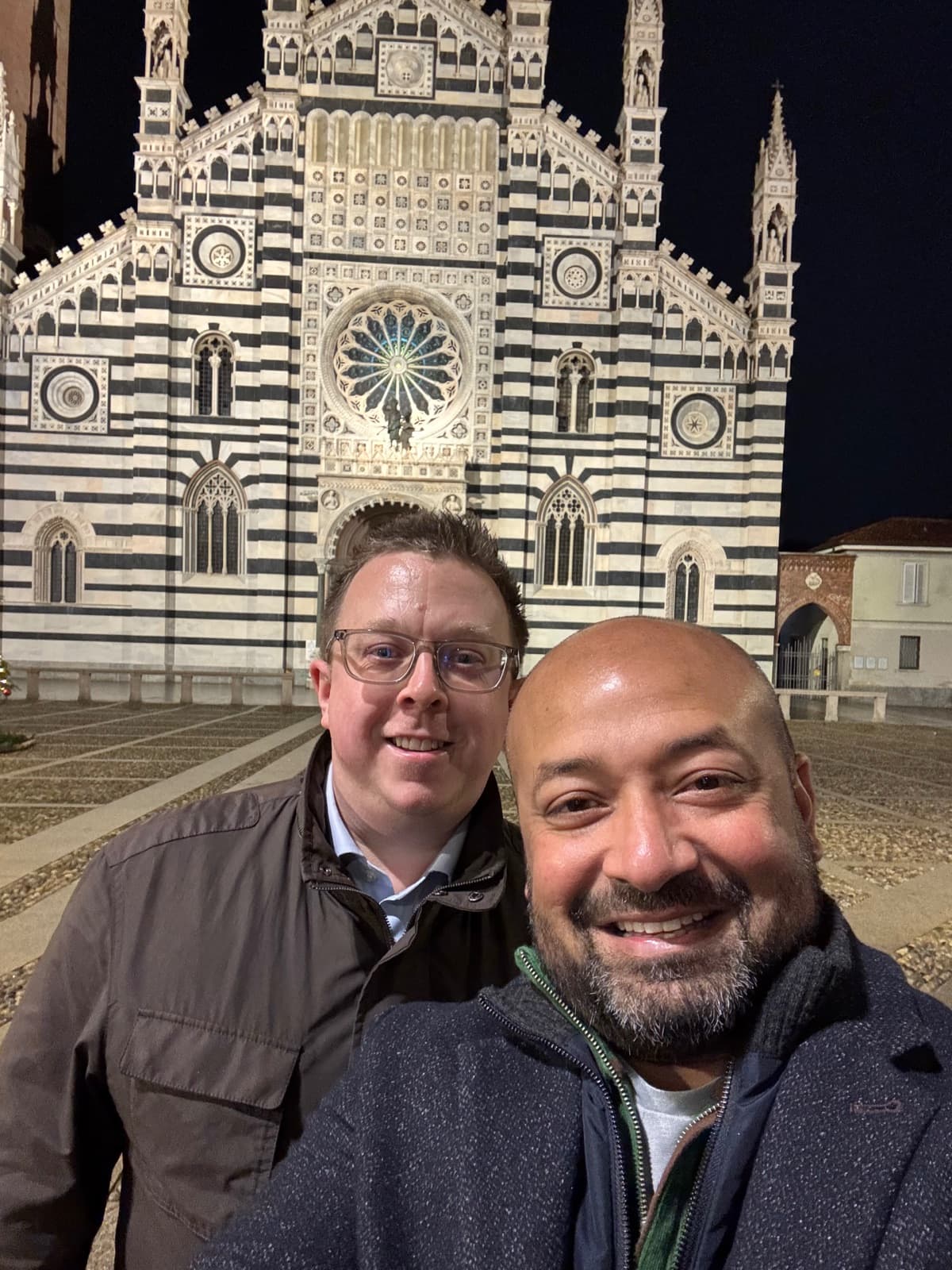
I did the same thing in Rome, this time with my family.
The organisation was excellent. The food was fantastic. We discovered Roman pinsa pizza through recommendations and ended up in a wonderful place we would never have found otherwise. The kids loved how well planned everything was. When we visited the Colosseum, we had a guide for them, and it was brilliant. Without that context, you are really just looking at rocks.

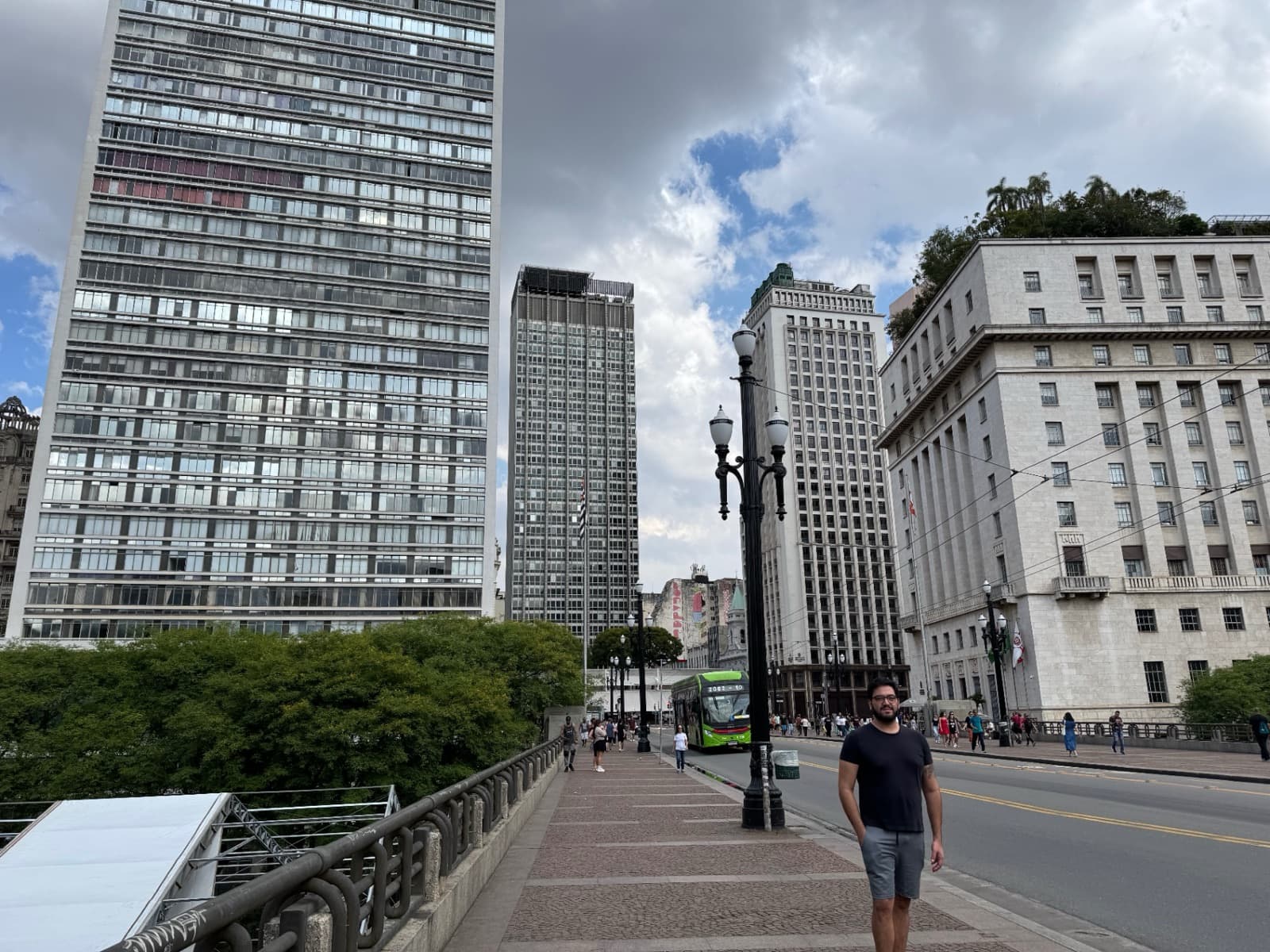
Then I repeated the same approach in São Paulo.
Again, everything worked — but I had to keep my phone out constantly. In São Paulo, that is not just inconvenient, it is dangerous. Phone theft is one of the most common crimes there.
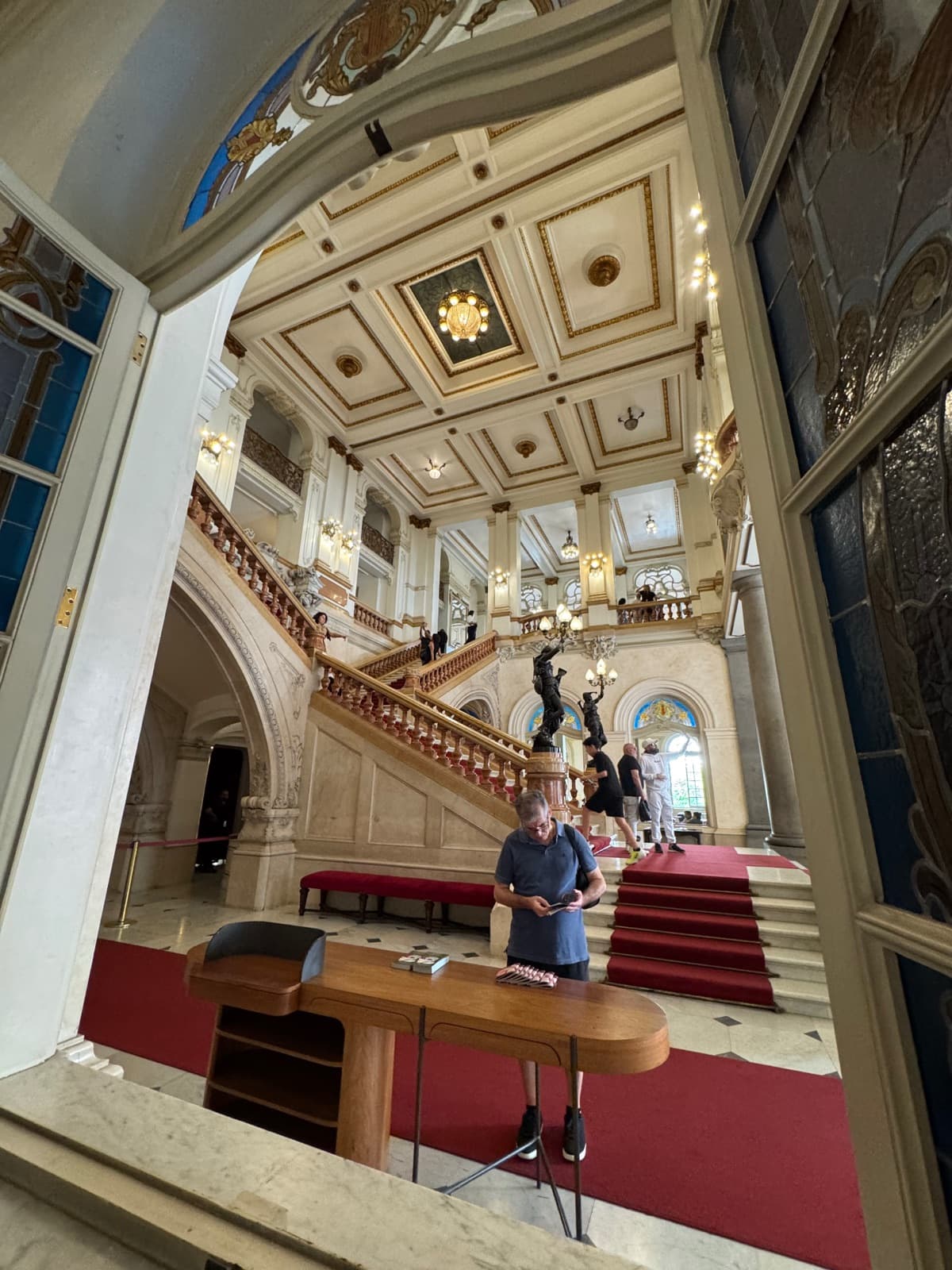
I also found myself inside incredible places like the Cathedral or the Theatro Municipal, with no real understanding of their history or significance. Extraordinary spaces, reduced to silent buildings because I did not want to stand there staring at my phone.
That is when it really clicked.

The whole point of travel is to look up.
To smell the food.
To hear the language.
To notice people and movement and small details.
To be present.
You cannot do that if you are constantly looking at a screen. It is also exactly what we try to teach our children — stop looking down, look up.
The idea for Tavvi came from wanting something different.
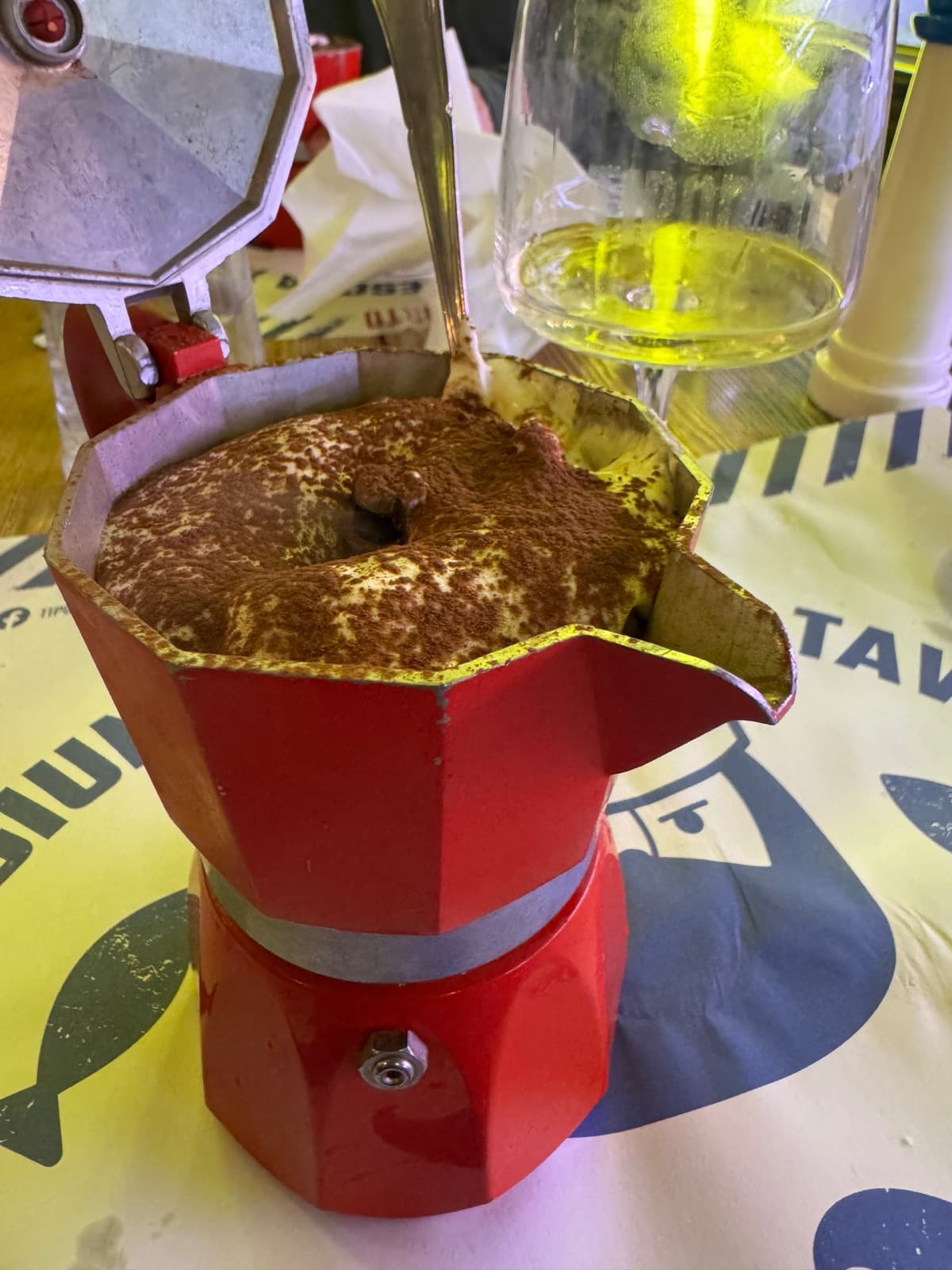
I wanted something that could help me in real time — tell me what the building next to me was, why it mattered, what story it carried. Something that could guide me gently: what food to order, whether I was on the right road, what I should know about where I was standing.
Something calm. Something reassuring. Something that did not demand attention, but quietly supported me.
In the future, that may mean Tavvi seeing what I see through smart glasses — guiding me on how to eat a Chả Cá Lã Vọng in Hanoi, or explaining the etiquette of a tea ceremony in Tokyo. But the core idea is simple: having an all-knowing, calm companion with you while you travel, especially when you are alone.
Tavvi also offers offline city guides that can be downloaded in advance. That means maps, history, recommendations, and guidance are available even when there is no network — and without paying ridiculous roaming charges.
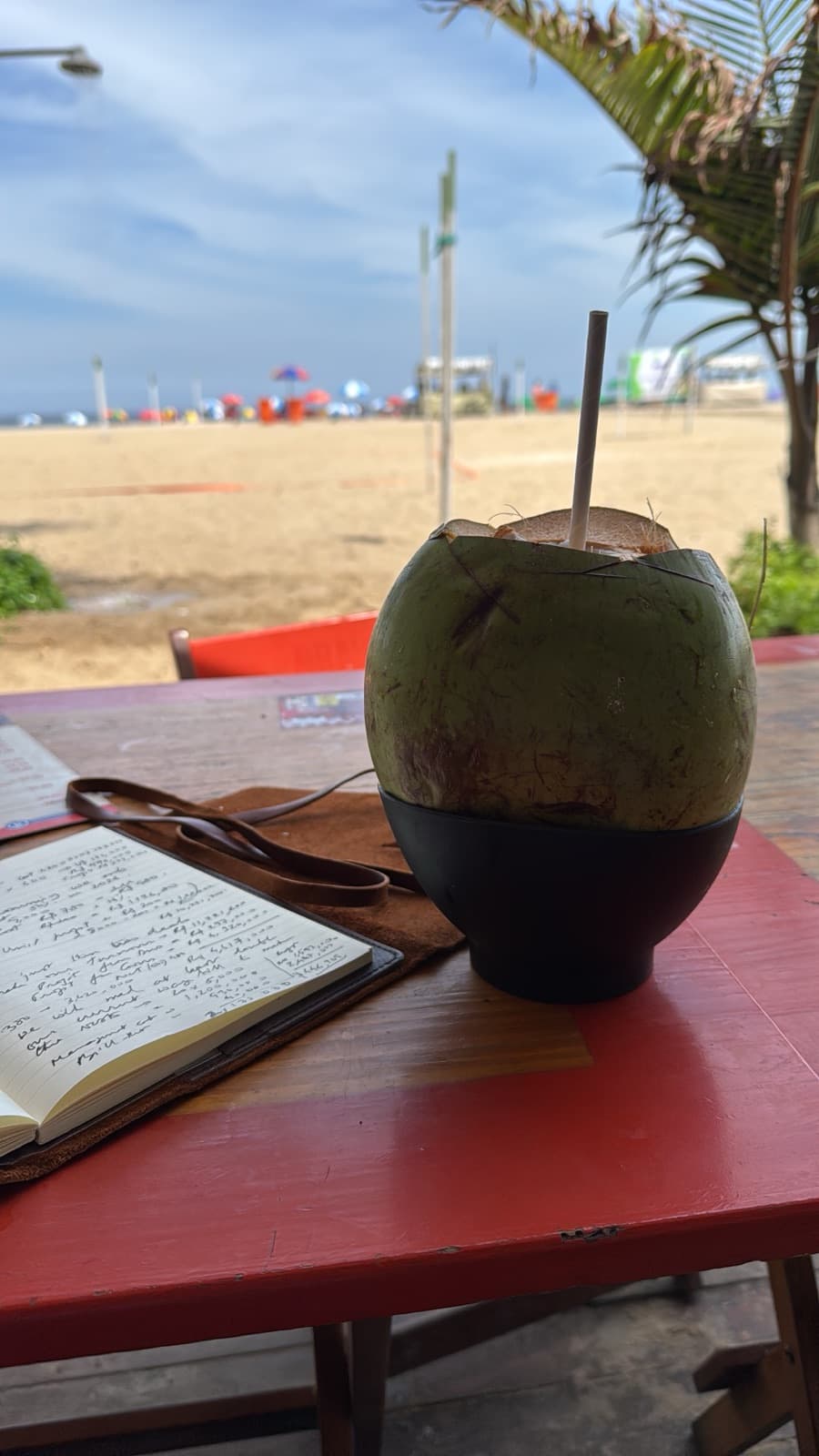
The final piece of the puzzle was social.
In Rio de Janeiro, my favourite city, I have a handful of restaurants, cafés, and bars that I love. On a recent trip, I met someone completely by chance who was struggling — no Portuguese, nervous, clearly out of their comfort zone. I helped her, we spent the afternoon walking and talking, and we are still in touch today.
Travel can be lonely. It can also be unexpectedly generous.
So Tavvi includes an optional social feature for solo travellers who want it — nothing forced, nothing public by default. If you want to meet someone for a coffee or a short walk, you can choose to be visible. If you do not, Tavvi works just as well quietly in the background.
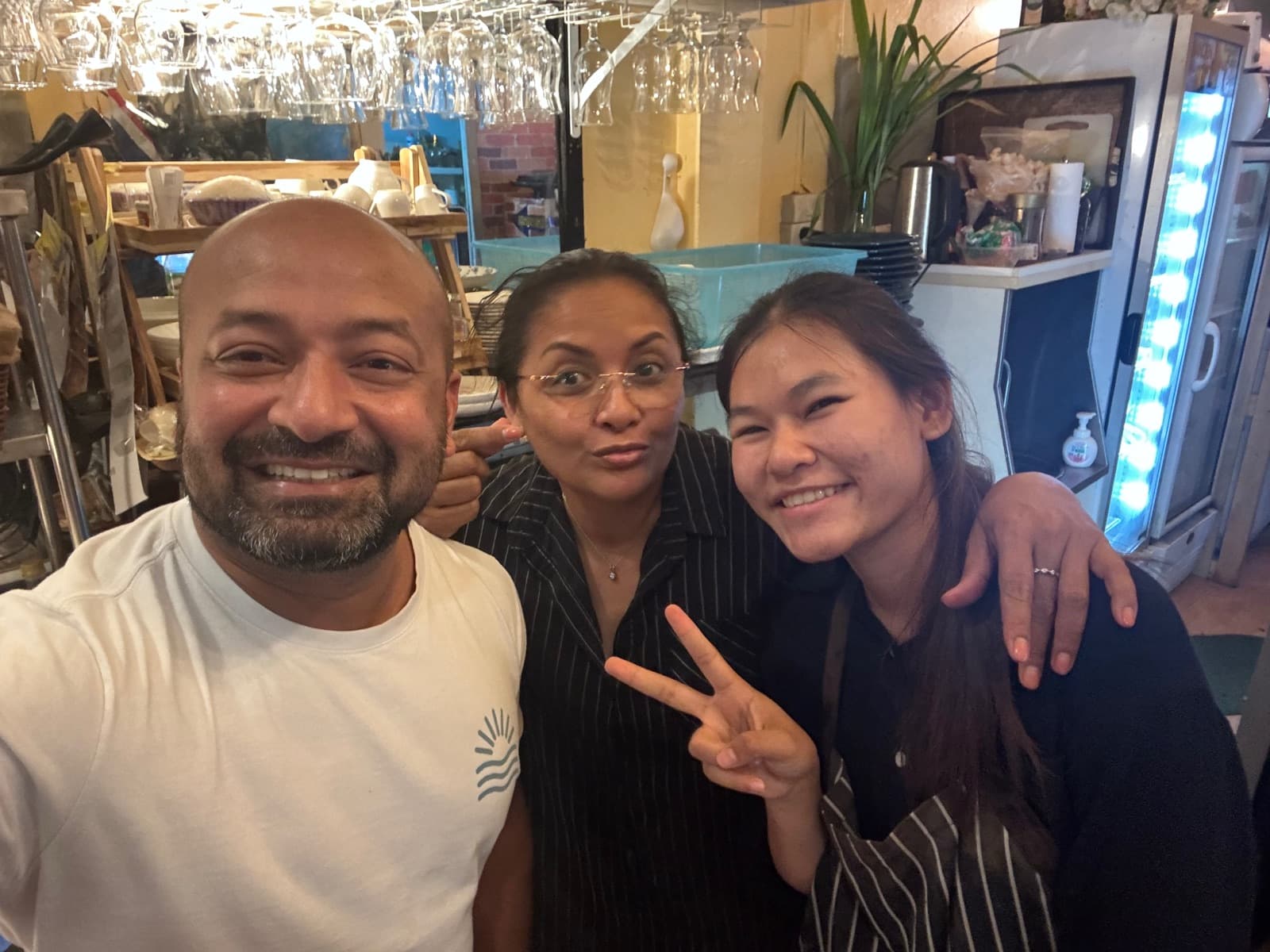
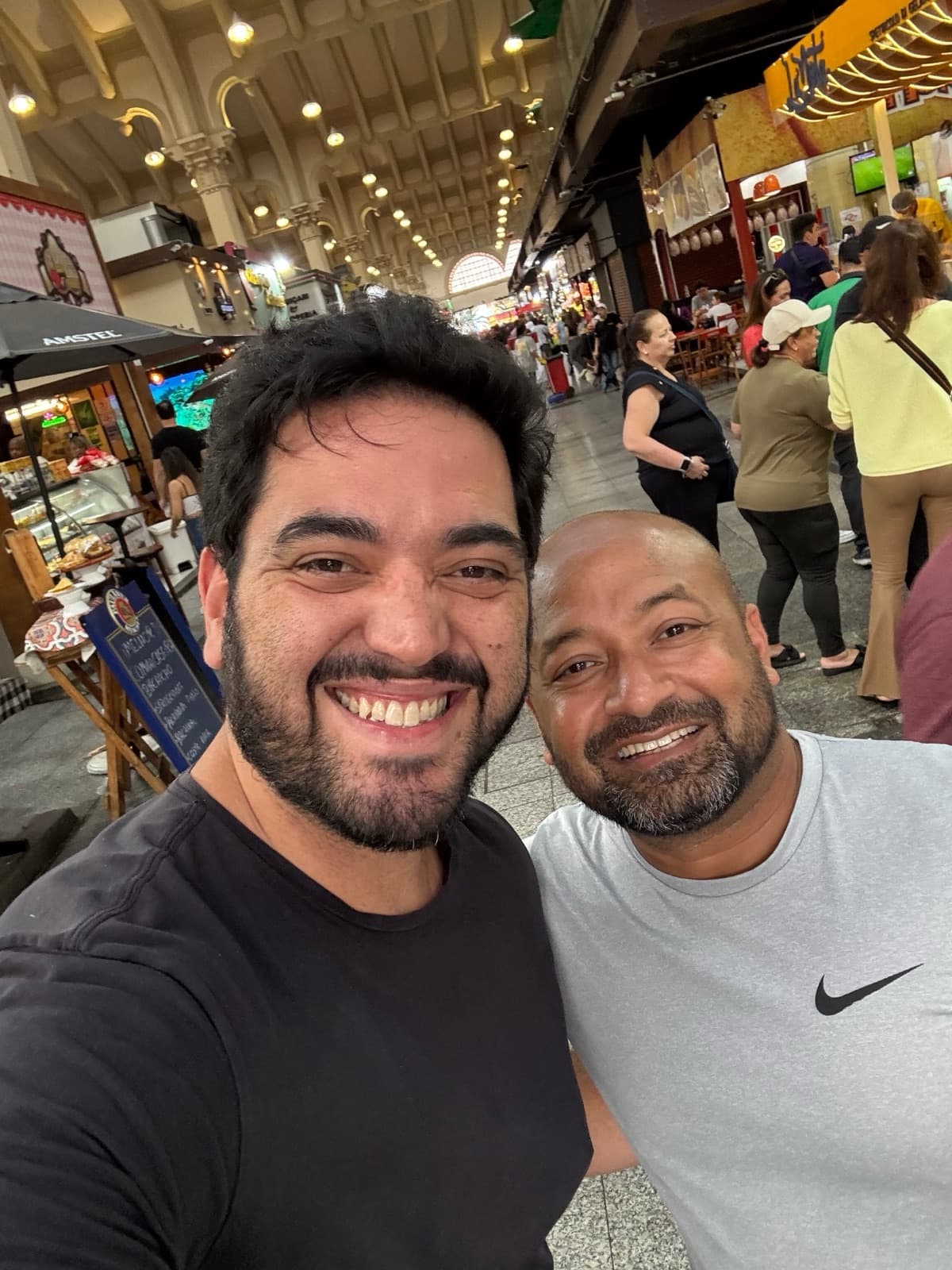
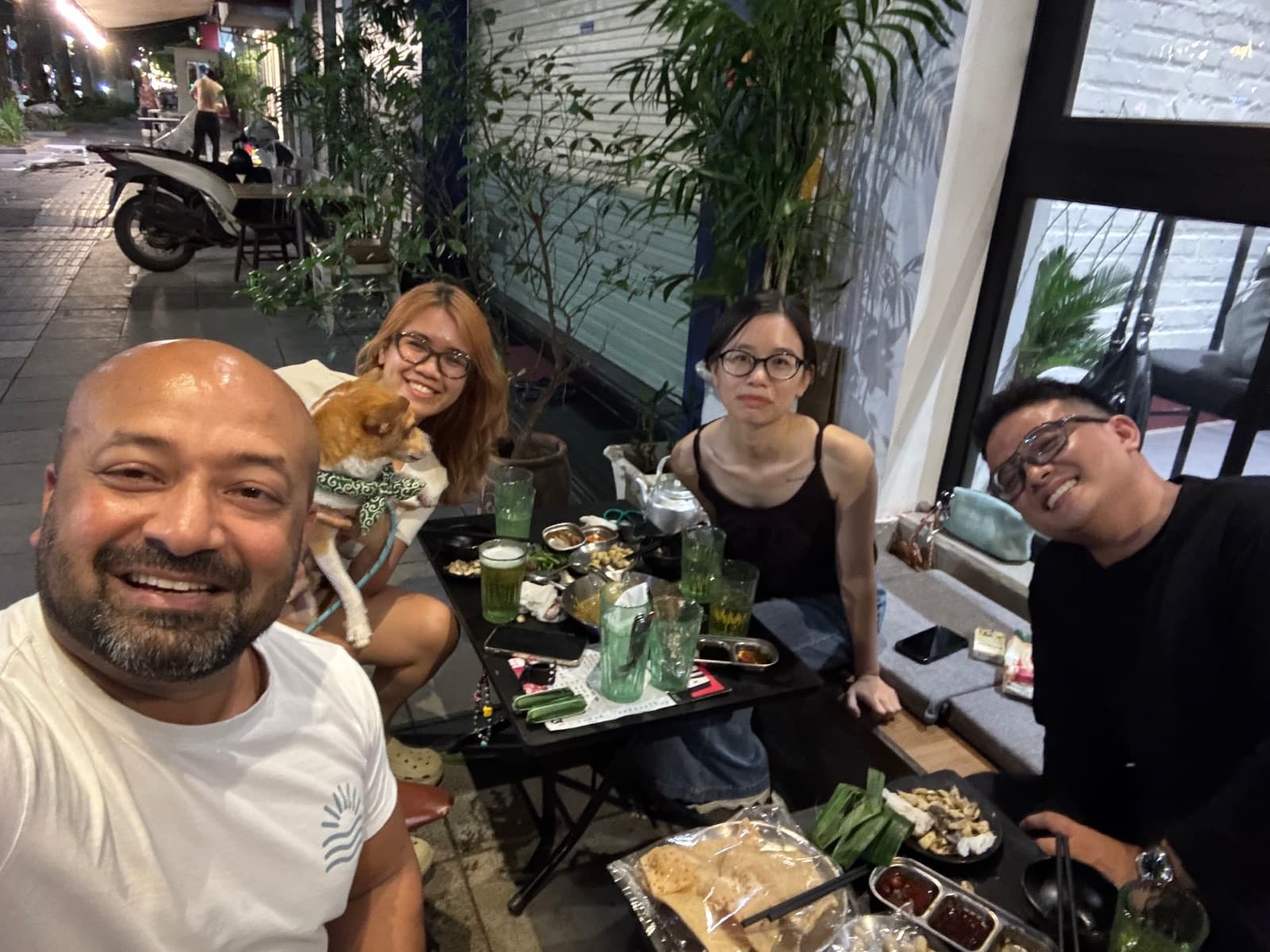
I built Tavvi for myself.
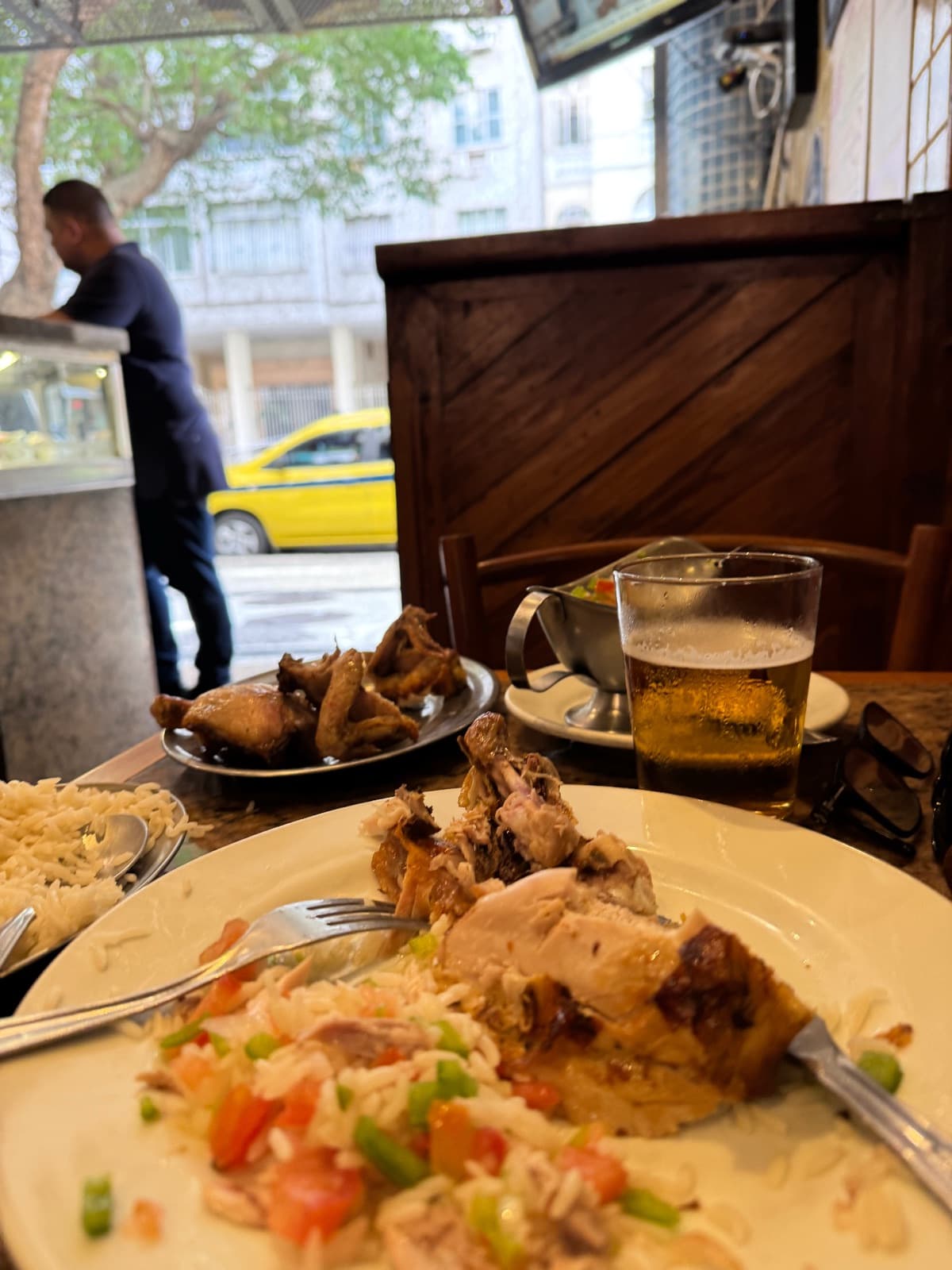
But Tavvi does not stop with me.
It helps you travel better — and in return, you help me make Tavvi better. Your suggestions, ideas, and feedback shape what Tavvi becomes. This is not a closed product built behind a wall. It is something that grows through real use, real travel, and real people.
If something works beautifully, tell me.
If something feels wrong, tell me.
If Tavvi misses a moment, tell me.
You can send your thoughts directly to me, and they genuinely matter.
That is also why Tavvi stays true to being free and accessible. Everyone starts with the highest version. No ads. No schemes. No distractions.
I hope Tavvi makes your trips a little more personal.
A little more emotional.
And helps you spend more time looking up.
I made Tavvi for me but it is now as much yours as it's mine.
There is one other thing that matters to me, and it is worth being open about it.
Tavvi is not a simple app running in isolation. Behind the scenes, it connects to multiple platforms and services — for location, mapping, verification, security, AI reasoning, and reliability. There are six or seven different systems working together at any given moment to make Tavvi feel calm, accurate, and trustworthy.
That infrastructure costs money to run.
If we ever decide to charge for Tavvi, the pricing will be grounded in those real costs — not dictated by profit targets, growth tricks, or artificial tiers designed to push people into paying more than they need to. Tavvi exists to serve travel, not to extract value from it.
And if Tavvi ever does make money, I want that to mean something beyond the app itself.
From the very start, 20% of all subscription revenue will be donated to charities chosen by the Tavvi community. Not later. Not once it is "big enough." From day one.
Travel has given me perspective, generosity from strangers, and moments I did not expect. If Tavvi can give something back — directly and consistently — then it feels like it is doing its job properly.